Allergens, Health & Indoor Air Quality
Carpets trap dust mites, pollen, pet dander, and allergens invisible to the naked eye. Understanding indoor air quality and how professional cleaning improves it is crucial for family health—especially for those with allergies and respiratory conditions.
What's Hiding in Your Carpet
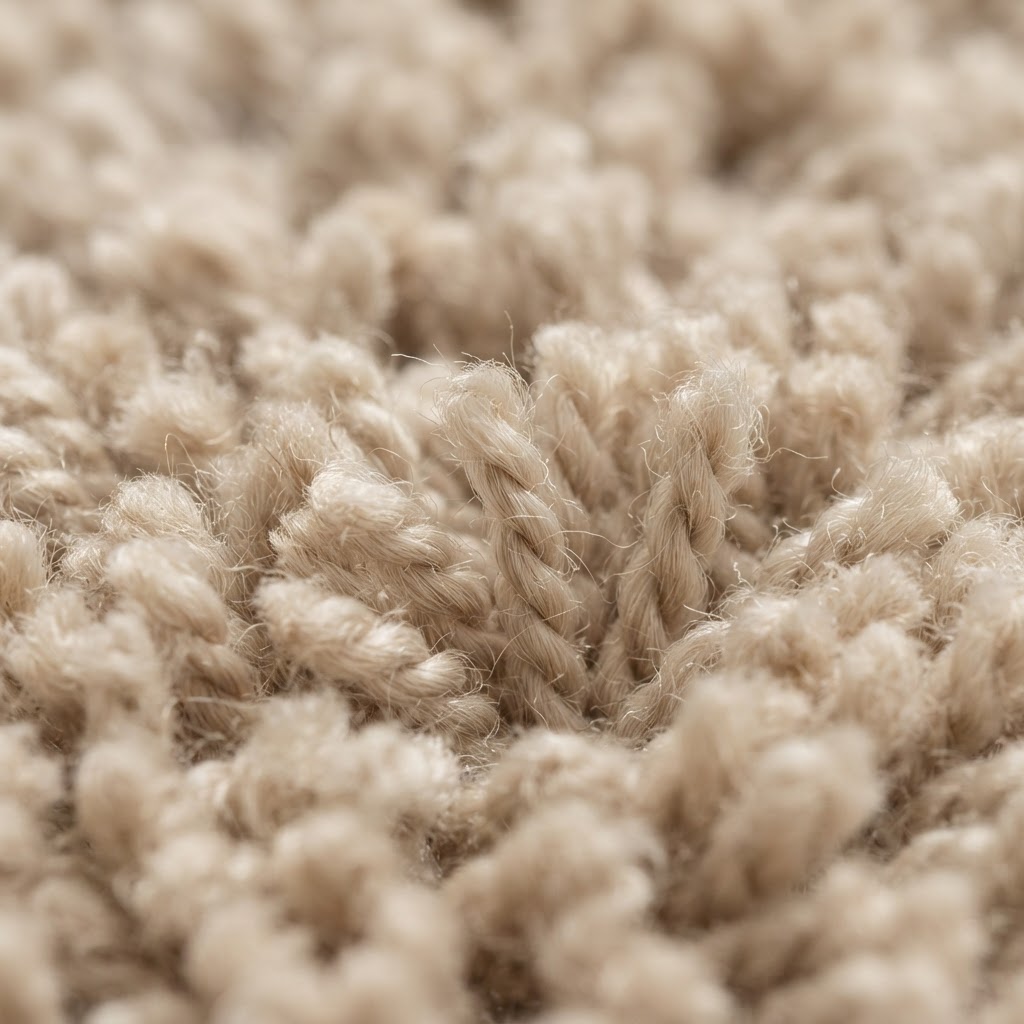
Carpets are allergen magnets. A single carpet can harbor millions of dust mites, their feces, pollen, mold spores, and pet dander—all contributing to poor indoor air quality and health problems.
Common Carpet Allergens
Major Allergen Sources
Dust Mites
Thrive in warm, moist environments. Their feces are potent allergens. Invisible but extremely common.
Pet Dander
Dead skin cells from cats, dogs, birds. Proteins in dander trigger allergic reactions.
Pollen
Tracked in on shoes and clothing. Accumulates in carpet fibers throughout seasons.
Mold Spores
Develop in damp areas or after water damage. Release toxins affecting respiratory health.
Health Impacts of Poor Indoor Air
Documented Health Effects: Poor indoor air quality from carpet allergens causes measurable health impacts.
- ✓ Allergic reactions (sneezing, itching)
- ✓ Asthma exacerbation
- ✓ Respiratory infections
- ✓ Sleep disruption
- ✓ Skin irritation
Allergen Removal Methods
| Method | Dust Mite Removal | Pet Dander | Pollen | Mold Spores | Effectiveness |
|---|---|---|---|---|---|
| Regular vacuuming | 30% | 40% | 50% | 10% | Minimal |
| HEPA vacuum | 60% | 65% | 70% | 30% | Moderate |
| Dry cleaning | 70% | 75% | 80% | 50% | Good |
| Steam extraction | 85% | 80% | 85% | 70% | Very Good |
| Specialist allergen treatment | 95% | 95% | 95% | 90% | Excellent |
Professional Allergen Treatments
Dust Mite Allergen Reduction
Specialized treatment using acaricides (mite-killing compounds) combined with deep extraction. Reduces allergen levels by 95% for 2-3 months.
Steam Extraction
High heat (212°F+) kills dust mites and spores. Deep extraction removes allergen-laden soil. Especially effective for mold and bacteria.
HEPA Filtration
Captures particles as small as 0.3 microns. Professional equipment far exceeds household vacuums.
Anti-Microbial Treatment
Prevents allergen reproduction. Provides protection between professional cleanings.
Health Improvements from Professional Cleaning
Professional cleaning doesn't just improve appearance—it directly impacts respiratory health, sleep quality, and overall wellbeing. For families with allergies or asthma, professional cleaning is a medical investment.
"Allergy sufferers who invest in professional carpet cleaning report 40-60% improvement in symptoms within 2 weeks. The air quality difference is measurable and noticeable."
— American Allergy Association Study
Creating an Allergen-Free Home
Professional Cleaning Schedule
Every 3-4 months for allergy sufferers. Every 6-12 months for general maintenance.
Regular HEPA Vacuuming
2-3 times weekly between professional cleanings. Reduces allergen accumulation.
Humidity Control
Keep humidity 30-50% to prevent dust mite proliferation and mold growth. Use dehumidifiers in damp areas.
Air Purifiers
HEPA-rated air purifiers capture airborne allergens. Use in bedrooms and living areas.