The Hard Flooring Cleaning Consumer Guide
Hard flooring — timber, vinyl, laminate, polished concrete, stone and tile — each needs specific care. This guide explains professional methods, finishing options, and how to protect your hard floor investment.
Match Method to Flooring Type
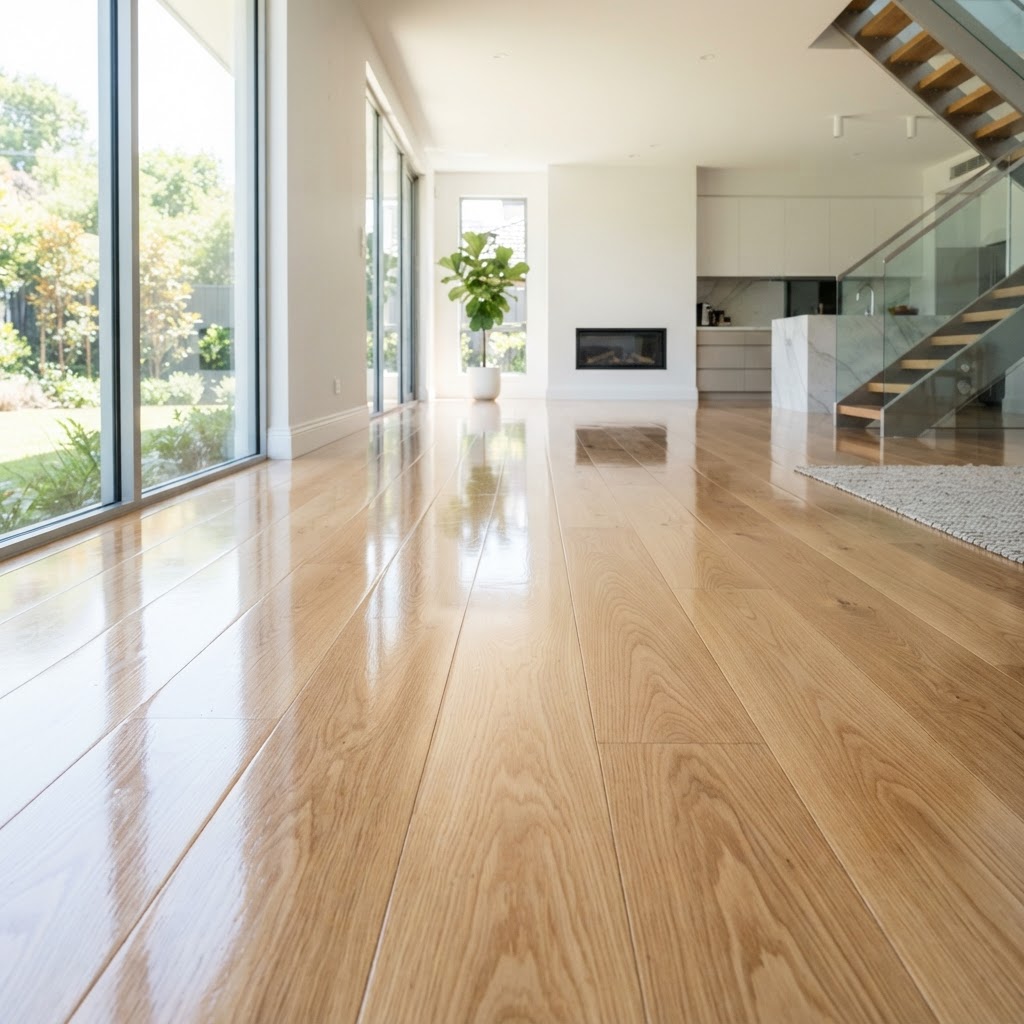
Timber & engineered wood
Low-moisture cleaning only; avoid standing water which causes swelling.
Vinyl & LVT
pH-neutral cleaning, stripping and re-sealing for commercial floors.
Polished concrete
Burnishing and densifier top-ups restore shine.
Natural stone
Stone-specific chemistry; honing and polishing for marble and terrazzo.
Laminate
Dry or barely-damp methods; water ingress swells boards.
Professional Restoration vs Maintenance
| Service | Purpose | Frequency |
|---|---|---|
| Deep clean & strip | Remove old finish & soil | Annually or as needed |
| Re-seal / re-finish | Protect and restore appearance | Every 1–2 years |
| Burnish / polish | Restore shine to polished floors | Quarterly (commercial) |
| Screen & recoat | Refurbish timber without sanding | Every 3–5 years |
| Hone & polish | Remove etching from stone | As required |
Preventing Damage
Use walk-off mats
Trap grit at entries to prevent scratching.
Felt pads on furniture
Prevent scuffs and gouges when moving items.
Avoid steam mops on timber
Heat and moisture damage finishes and joints.
Use correct cleaner
Wrong pH can etch stone or strip timber finish.
When to Call a Professional
Dull finish, visible wear patterns, ground-in soil, or a finish that no longer responds to regular cleaning are signs a professional strip, reseal or polish is due. Acting early extends floor life and avoids the cost of full replacement.